


Curriculum
- 12 Sections
- 93 Lessons
- 4 Weeks
Expand all sectionsCollapse all sections
- PART 1: SOCIAL STUDIES0
- UNIT 1: Socio-Economic Activities in Our DistrictThis unit helps learners identify their district and its location on the map of Rwanda. They will explore and analyze the socio-economic activities within their own district and neighbouring districts, comparing them and understanding their importance to the community.7
- 2.1Lesson 0: Unit Goals
- 2.2Lesson 1: Identification of our District and its Location on the Map of Rwanda
- 2.3Lesson 2: Socio-economic Activities in our District
- 2.4Lesson 3: Socio-economic Activities in the Neighbouring Districts
- 2.5Lesson 4: Comparison of Economic Activities in our District and Neighbouring Districts
- 2.6Lesson 5: Importance of Socio-economic Activities
- 2.7Lesson 6: Review and End of Unit Assessment
- UNIT 2: Peace Education and Human RightsThis unit introduces learners to the concepts of human rights and children's rights. It focuses on fostering respect, tolerance, and equity, while also educating them on identifying, preventing, and understanding the effects of various forms of abuse, including child abuse, neglect, and gender-based violence.11
- 3.1Lesson 0: Introduction
- 3.2Lesson 1: Basic Human Rights
- 3.3Lesson 2: Children’s Rights
- 3.4Lesson 3: Respect and Tolerance
- 3.5Lesson 4: Child Abuse
- 3.6Lesson 5: Sexual Abuse
- 3.7Lesson 6: Child Neglect
- 3.8Lesson 7: Gender-Based Violence (GBV) and Sexual Abuse
- 3.9Lesson 8: Effects of Gender-Based Violence (GBV) and Sexual Abuse
- 3.10Lesson 9: How to Prevent Gender-Based Violence (GBV) and Sexual Abuse
- 3.11Lesson 10: End of Unit Assessment
- UNIT 3: EconomyIn this unit, learners will distinguish between needs and wants and understand how the environment helps meet these needs. They will be introduced to basic economic concepts including money, spending habits, saving, and the importance of caring for the environment that supports economic activities.10
- 4.1Lesson 0: Introduction
- 4.2Lesson 1: Needs and Wants
- 4.3Lesson 2: How the Environment Helps us Meet our Needs
- 4.4Lesson 3: How we Care for our Environment
- 4.5Lesson 4: Money
- 4.6Lesson 5: Activities that Increase Money
- 4.7Lesson 6: Factors that Affect How we Spend Money
- 4.8Lesson 7: Things People Spend Money on
- 4.9Lesson 8: Saving
- 4.10Lesson 9: End of Unit Assessment
- UNIT 4: Civics and GovernanceThis unit educates learners on Rwandan national symbols, their importance, and the concepts of acceptable and unacceptable behaviour. It also explores the foundations of leadership and good governance within their district, including the qualities of a good leader and the impact of peer pressure.13
- 5.1Lesson 0: Introduction
- 5.2Lesson 1: National Symbols
- 5.3Lesson 2: The National Flag
- 5.4Lesson 3: The National Anthem
- 5.5Lesson 4: The National Coat of Arms
- 5.6Lesson 5: The National Motto
- 5.7Lesson 6: Importance of National Symbols
- 5.8Lesson 7: Acceptable and Unacceptable Behaviours
- 5.9Lesson 8: Peer Pressure
- 5.10Lesson 9: Leadership in our District
- 5.11Lesson 10: Roles and Qualities of a Good Leader
- 5.12Lesson 11: Factors that Contribute to Good Governance in our District
- 5.13Lesson 12: End of Unit Assessment
- UNIT 5: Weather, Flora and FaunaLearners will study the weather and climate of their district, including its effects on human activities. The unit also covers the importance of local plant life (flora) and animal life (fauna), and the problems that arise from failing to protect and preserve these natural resources.12
- 6.1Lesson 0: Introduction
- 6.2Lesson 1: Weather in our District
- 6.3Lesson 2: Main Elements of Weather
- 6.4Lesson 3: Effects of Weather on People’s Activities
- 6.5Lesson 4: Favourable Effects of Climate
- 6.6Lesson 5: Flora
- 6.7Lesson 7: Problems of Failing to Protect and Preserve Flora
- 6.8Lesson 8: Fauna
- 6.9Lesson 6: Importance of Flora in our District
- 6.10Lesson 9: Importance of Fauna in our District
- 6.11Lesson 10: Problems of Failing to Protect and Preserve Fauna
- 6.12Lesson 11: End of Unit Assessment
- UNIT 6: InfrastructureThis unit explores the infrastructure of transport and communication. Learners will identify different types and means, understand their importance, and analyze the related difficulties and dangers in their district, as well as measures to overcome them.9
- 7.1Lesson 0: Introduction
- 7.2Lesson 1: Transport
- 7.3Lesson 2: Importance of Transport
- 7.4Lesson 3: Difficulties and Dangers Related to Transport in our District
- 7.5Lesson 4: Communication and its Importance
- 7.6Lesson 5: Types and Means of Communication
- 7.7Lesson 6: Difficulties and Dangers Related to Communication in our District
- 7.8Lesson 7: Measures to Overcome Difficulties and Dangers Related to Communication
- 7.9Lesson 8: End of Unit Assessment
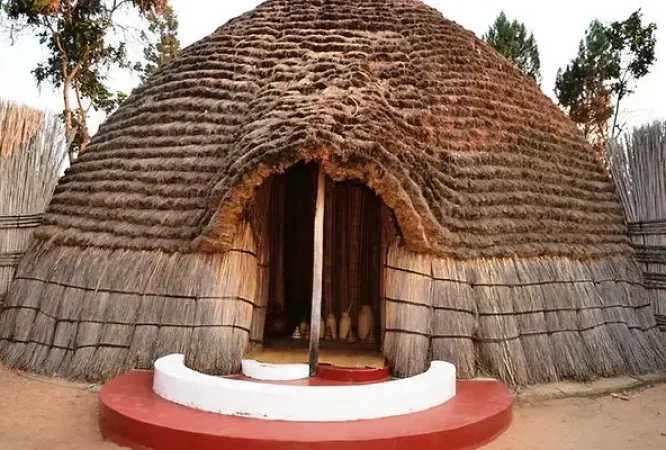
- UNIT 7: Traditional RwandaThis unit takes learners back to pre-colonial Rwanda, examining how leadership, social organization, and economic activities were structured. It concludes by comparing traditional trade with modern trade practices.7
- 8.1Lesson 0: Introduction
- 8.2Lesson 2: How Leadership was Organized in Pre-colonial Rwanda
- 8.3Lesson 5: Differences Between Traditional and Modern Trade
- 8.4Lesson 6: End of Unit Assessment
- 8.5Lesson 1: Pre-colonial Rwanda
- 8.6Lesson 3: Social Organization in Pre-colonial Rwanda
- 8.7Lesson 4: Economic and Commercial Activities in Pre-colonial Rwanda
- PART 2: RELIGIOUS EDUCATION0
- UNIT 8: God’s CommandmentsThis unit focuses on the Ten Commandments of God. Learners will identify, categorize, and understand their importance in daily life. The unit also covers the consequences of breaking these commandments and connects them to the rules and laws of society.8
- 10.1Lesson 0: Introduction
- 10.2Lesson 1: The Ten Commandments of God
- 10.3Lesson 2: The Importance of the Commandments of God
- 10.4Lesson 3: Categories of the Ten Commandments
- 10.5Lesson 4: The Greatest Commandments
- 10.6Lesson 5: The Consequences of Breaking the Commandments
- 10.7Lesson 7: End of Unit Assessment
- 10.8Lesson 6: Rules, Regulations and Laws in the Society
- UNIT 9: Introduction to Christian and Islamic FaithThis unit provides a foundational understanding of Christianity and Islam. Learners will explore the concept of one God, the holy books, prayer and worship practices, special days and places, and the core pillars that guide each faith, all while emphasizing shared values of doing good.9
- 11.1Lesson 0: Introduction
- 11.2Lesson 3: How Christians and Muslims Pray and Worship
- 11.3Lesson 1: Believing in One God
- 11.4Lesson 2: Special Books Christians and Muslims Read
- 11.5Lesson 5: How both Christian and Islamic Religions Teach us to do Good Things
- 11.6Lesson 4: Special Days and Places of Worship for Christians and Muslims
- 11.7Lesson 6: The Main Pillars of Christian Faith
- 11.8Lesson 7: The Five Pillars of Islam and the Six Beliefs of Iman (Islamic Faith)
- 11.9Lesson 8: End of Unit Assessment
- UNIT 10: Values in the Bible and Qur’anThis unit explores the key values taught in both the Bible and the Qur’an. Learners will identify and practice ethical, social, family, and spiritual values, and understand concepts of accountability and the afterlife, fostering respect and moral responsibility.7
- 12.1Lesson 0: Introduction
- 12.2Lesson 1: Main Values Regarding the Ethical Teachings of Christian and Islamic Faith (Shared Values)
- 12.3Lesson 2: Social and Family Values
- 12.4Lesson 3: Spiritual Values
- 12.5Lesson 4: Values Regarding Attitudes Toward Others
- 12.6Lesson 5: Values in line with Accountability and the Afterlife
- 12.7Lesson 6: End of Unit Assessment
Instructor

50 Students82 Courses
Reviews
Students List
Big Sale
Buy this course in package